
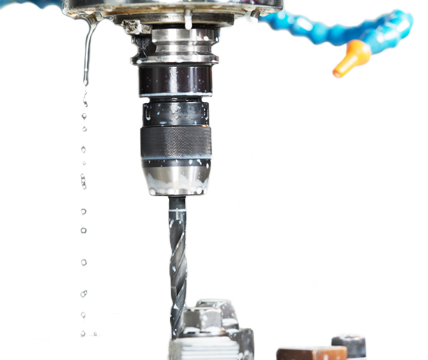
When your CNC machine goes down, every hour of lost production costs money. Choosing the right repair service isn't just about getting the machine running again—it's about minimizing downtime, ensuring quality repairs, and building a relationship with a partner you can trust for future needs.
As a New England manufacturer, you have options. Here's how to evaluate them and make the right choice for your shop.
Why Choosing the Right Service Provider Matters
The wrong choice can cost you in several ways:
- Extended downtime: Inexperienced technicians may take longer to diagnose problems
- Repeated failures: Treating symptoms instead of root causes leads to recurring issues
- Collateral damage: Improper repairs can damage other components
- Voided warranties: Some manufacturers require authorized service providers
- Safety risks: CNC machines are dangerous when improperly repaired
Key Factors to Evaluate
1. Experience with Your Specific Equipment
CNC machines vary enormously. A technician expert in Fanuc controls may struggle with Siemens. Someone who services newer machines may not know older technology.
Ask potential service providers:
- Have you worked on this exact model before?
- What brands and control systems do you specialize in?
- Can you provide references from customers with similar equipment?
- Do you have experience with both newer and legacy machines?
2. Response Time and Availability
When a critical machine is down, you need help fast. Evaluate:
- Emergency availability: Do they offer 24/7 emergency service?
- Geographic coverage: How far will they travel? Are you within their regular service area?
- Typical response time: Same day? Next day? Within hours?
- On-call technicians: Who responds after hours?
3. Diagnostic Capabilities
Modern CNC repair requires sophisticated diagnostic tools and skills:
- Vibration analysis equipment for bearing and spindle diagnosis
- Laser alignment and measurement systems
- Control system diagnostic software and interfaces
- Electrical testing equipment
- Experience reading and interpreting error codes
A service provider with proper diagnostic tools can identify problems faster and more accurately, reducing your downtime and costs.
4. Parts Access and Inventory
Ask about parts sourcing:
- Do they stock common spare parts?
- What's their relationship with OEM suppliers?
- Can they source parts for older/discontinued machines?
- Do they use genuine OEM parts, quality aftermarket, or both?
- Can they expedite parts shipping when needed?
5. Transparent Communication and Pricing
Good service providers communicate clearly:
- Provide written estimates before major work
- Explain what they found and what they're recommending
- Call before performing additional work
- Document their repairs with detailed service reports
- Explain the root cause, not just the fix
6. Range of Services
Consider what services you might need, now and in the future:
- Emergency breakdown repair
- Preventive maintenance programs
- Spindle repair and rebuilding
- Ball screw and linear guide service
- Control system upgrades and retrofits
- Machine relocation and installation
- Training for your operators and maintenance staff
A full-service provider can become a long-term partner rather than just an emergency call.
7. Warranty and Guarantee
Reputable service providers stand behind their work:
- What warranty do they offer on repairs?
- What does the warranty cover (parts, labor, both)?
- What's the process if problems recur?
Red Flags to Watch For
Be cautious of service providers who:
- Won't provide references
- Can't explain diagnoses in terms you understand
- Push for major repairs without proper diagnosis
- Don't provide written estimates
- Have no physical location or business history
- Can't show proof of insurance
- Guarantee the lowest price (quality work costs money)
- Rush to replace rather than repair when repair is viable
Questions to Ask Before Hiring
Pre-Hire Checklist
- How long have you been servicing CNC equipment?
- What brands and controls do you specialize in?
- Do you have experience with our specific machine model?
- What's your typical response time for emergencies?
- Do you offer preventive maintenance programs?
- What diagnostic equipment do you use?
- How do you handle parts—OEM, aftermarket, or both?
- What warranty do you offer on repairs?
- Can you provide references from similar operations?
- Are your technicians factory trained or certified?
- Do you carry liability insurance?
- What do your service reports include?
Building a Long-Term Relationship
The best time to find a good service provider is before you need one urgently. Consider:
- Starting with PM service: Let them get to know your machines during routine maintenance
- Requesting a machine assessment: A thorough evaluation of your equipment's condition
- Establishing communication channels: Know who to call and how before emergencies
- Understanding their capabilities: Know what they can handle in-house vs. outsource
New England Considerations
Manufacturing in New England presents unique challenges:
- Geography: We're spread across six states with varying travel times. Choose a provider who considers you part of their regular service territory.
- Weather: Winter storms can delay response. Providers with multiple technicians or strategic locations handle this better.
- Mix of industries: From aerospace in Connecticut to precision medical in Massachusetts to general machining in New Hampshire—your provider should understand your industry's requirements.
- Equipment age: Many New England shops run older equipment. Make sure your provider values and understands these proven machines.
Trusted CNC Service Across New England
Maz CNC has been serving New England manufacturers for years, providing expert repair, maintenance, and support for a wide range of CNC equipment. From emergency breakdowns to preventive maintenance programs, we're here to keep your machines running.
Contact Us Today